We’ve been reporting on performance homes for over eight years and what we once reported on seemed like science fiction to many of our readers, only for the inevitable adoption to take place and become commonplace in today’s modern built environment. We’re seeing performance home strategies and methodologies trend into the mainstream and 2026 looks poised to see explosive growth across the key sectors we’ve been bringing to you over the years: resilience, sustainability, energy management, detoxified and decarbonized interiors, just to name a few.
Here are a few trends we predict you’ll be witnessing over the course of the year that contributes to the advancements in performance home design and construction.
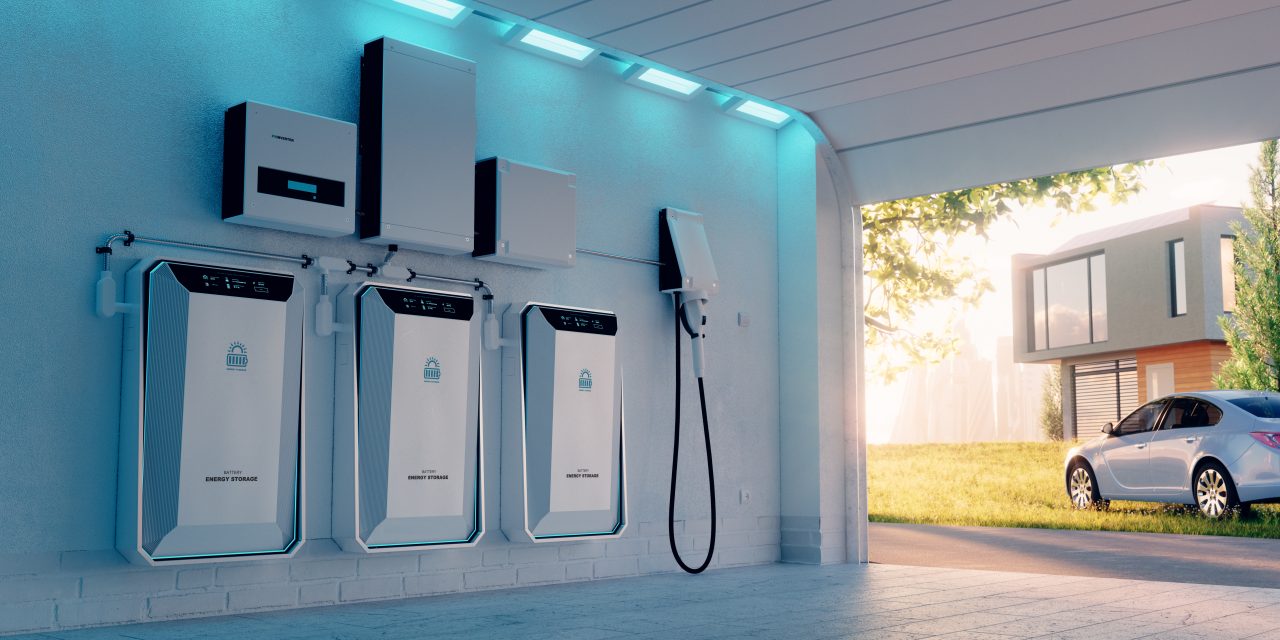
Energy Transition The move away from burning fossil fuels in our homes continues and we expect to see greater strides regarding energy efficiency, including more reliance on storage. The success of commercial buildings regarding energy savings and healthier environments should have spurred residential builders to action years ago, but those days are coming to an end due to the awareness homeowners are showing in regard to their family’s personal health outcomes. As we transition into cleaner energy, we’ll see likely increases in the development and normalization of electric products such as tankless water heaters, ERVs and heat pumps.
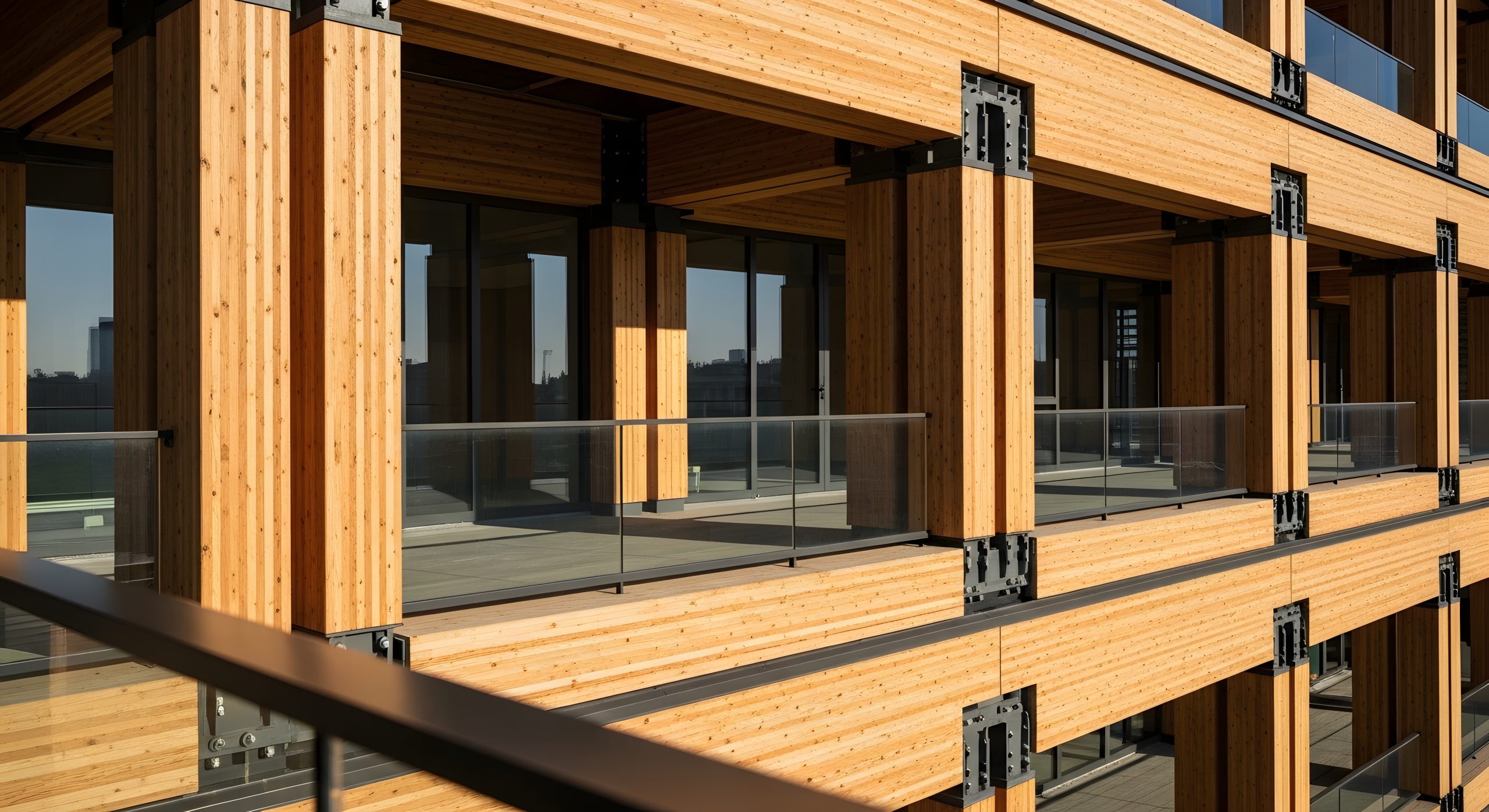
Engineered Wood 2026 will be a bellwether year for sustainable, engineered wood products. As we all know, there are an endless number of engineered wood products that go into buildings. These are made with wood byproducts that would normally be wasted. In addition, there is siding and trim made from composite materials, so look for more eco-friendly wood products that will impact furniture and cabinet design in 2026.
Detoxification Just like the multitude of sustainable building materials like engineered wood, there are now countless products that won’t release gas toxins in our homes. Water-based polyurethanes have come a long way and are routinely used for finishing floors instead of traditional oil-based products, which are high in VOCs. As we eliminate fossil fuels, we also need to ensure that all products that enter a building are scrutinized in order to remove all volatile organic compounds.
Proactive Air Quality Management Moving beyond basic purification to integrated, technology-driven systems that monitor and adjust for particulates, humidity and VOCs, aiming for “air wellness” as a core design element, supported by reduced chemical use, better ventilation, and smart appliances that create healthier, less-toxic living environments for better physical and mental health.
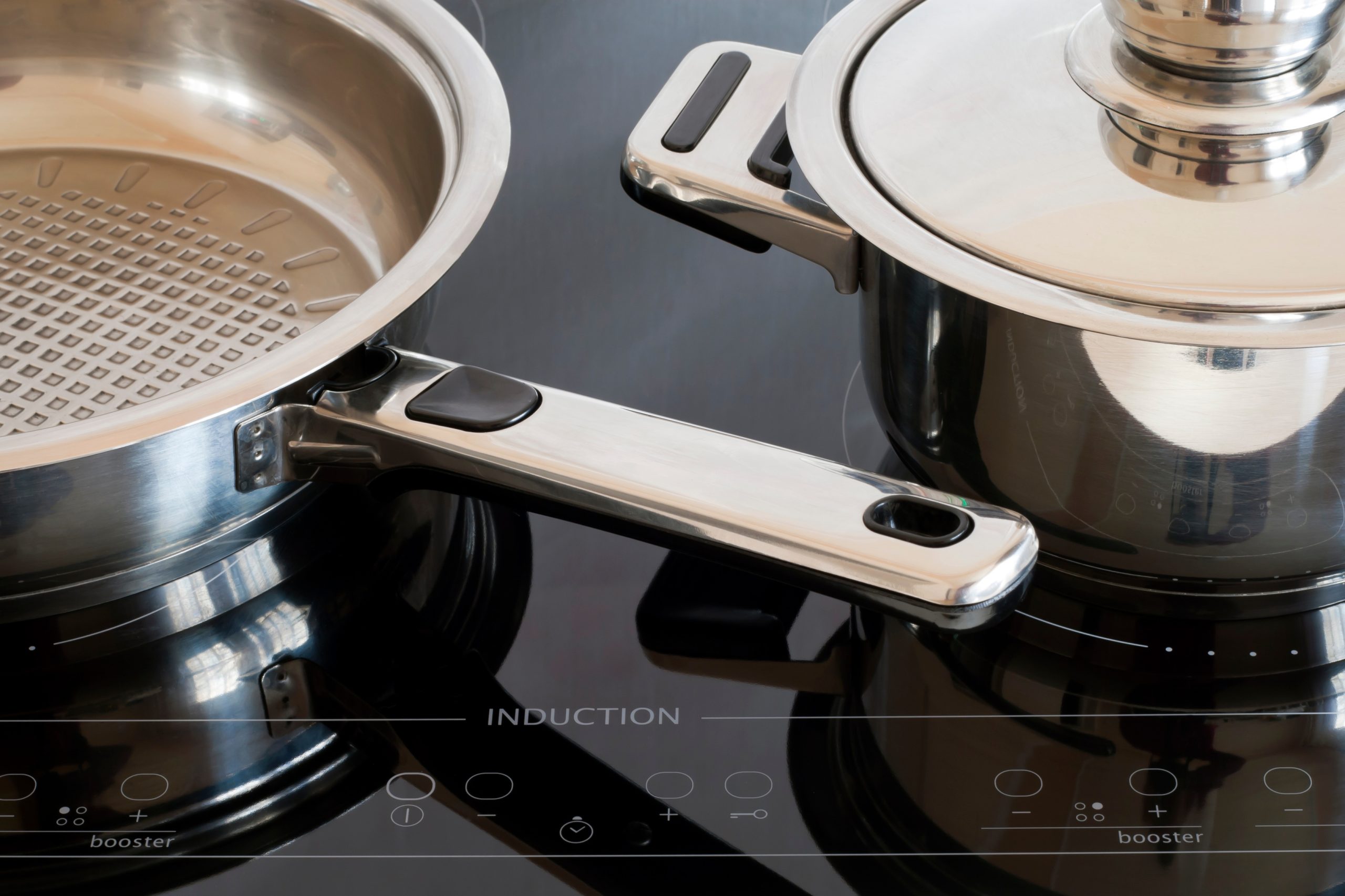
Induction Cooktops 2026 will see a major push from manufacturers who are smart enough to read the writing on the wall (see Proactive Air Quality Air Management above!). Compared to gas ranges, induction is more efficient, healthier, easier to clean, and aesthetically aligns with modern kitchen design. Tech-savvy, eco-conscious consumers will drive the adoption of induction, which is accelerating and poised to become dominate in the coming years.
Mental Health Architectural, intentional, personalized spaces continue to trend upward. Once known on blueprints as the Fourth Bedroom, we’ve seen the steady progression towards the Zen room concept and other dedicated cozy zones. Along the same lines of emphasizing longevity and wellness, look for multifunctional rooms, an uptick in spa-like bathrooms, more natural materials (wood, stone) in the built environment. The home is where the hearth is, and for a healthier outlook on the space you inhabit more than anywhere else, immersive, calming experiences are the name of the game.
Offsite and Panelized Construction The use of panelized building solutions is on the rise as a way to ensure more predictable schedules, lower labor costs, and consistent performance. From high performance building envelopes to climate-resistant materials, panelized construction also helps reduce building waste materials, which account for 40 percent of the landfills in America.
Disaster Preparedness Prospective homeowners are actively seeking homes (major remodel and new build) that offer peace of mind against natural disasters. Zillow reports increased mentions of flood protection, property elevation, fire protection systems, and defensible space landscaping. Building codes, especially in areas with high environment risks, are directly influencing architectural form, material selection, and system integration from the earliest stages of planning.