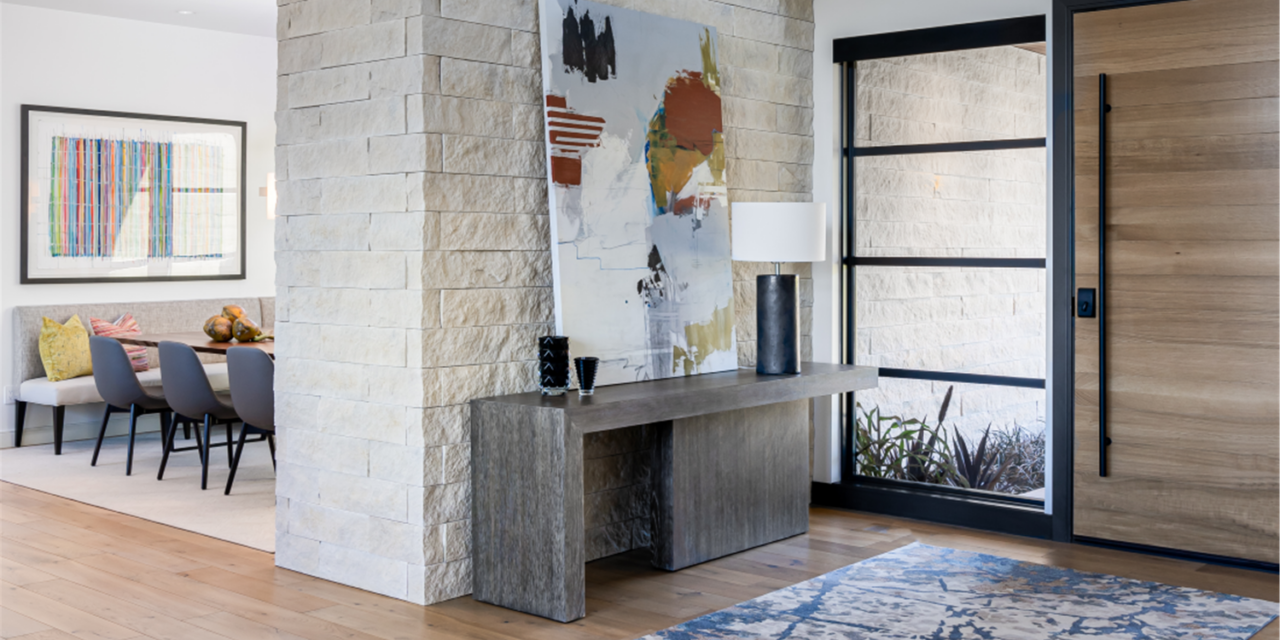
Photos: Venjhamin Reyes
I believe that the best way for the world of interior design and technology design to have great collaborations is to understand the similarities and the differences in our approaches to technology design and integration. Today I would like to introduce you to a great designer, innovator, thinker and creator, Garrison Hullinger of Studio Garrison in Portland, Oregon. We first met during the pandemic through the Clubhouse platform. Those distant discussions led to continued conversations in real life, which developed into a fabulous friendship.
Sharon: Garrison, how do you describe Studio Garrison and the type of work you do today?
Garrison: Studio Garrison is an interior design firm focused on outcomes. We care about how life will feel and function once the project is complete, not just how it looks in a photo. Our work spans residential and select boutique commercial projects across the West Coast, from historic home renovations to hotel refreshes.
We start by listening. We learn how you spend a quiet evening, how you host friends, and what rhythms shape your day. That understanding guides the design and often improves daily life in ways clients don’t expect.
Our hallmark is rigor and care. The details begin at concept and carry through construction. We stay closely involved with consultants and the general contractor, so the intent is built as designed. We also coordinate early with landscape, lighting design, and other specialists to create a cohesive experience. And we’re attentive to light. How it moves through rooms and how to create warmth and clarity when daylight is limited.
Our team is unusually stable. Many leaders in design, procurement, marketing and finance have been with the studio for a decade or more. With dedicated residential, commercial and FF&E (furniture, fixtures and equipment) teams, clients get depth, continuity and a steady hand from the first conversation to the final walk-through.
I came to design through a life-changing detour. In the late 90s I was thriving in a corporate role when a traumatic brain injury forced me to reset. A workers’ rehab counselor encouraged me to turn the remodeling my husband and I loved into a new career. We moved from San Francisco to Portland as part of my recovery, restored a couple of our own homes, and I deepened my furnishings knowledge at Williams Sonoma Home. After our home was featured in national and regional publications, referrals followed. I launched Studio Garrison from an attic office and hired two part‑time assistants to help develop the processes and standards that would carry our design concepts into the built world. Within six years we were named among Oregon’s Top 100 private companies for three consecutive years, and the team grew from three to sixteen. By year ten, just before the pandemic, we were thirty‑four strong. We hired for specialty and craft, and honed a unique, streamlined design process that let each expert do their best work while delivering a calm, consistent experience for clients.
Through my own life experiences, I began to see interiors as quiet systems that create order, reduce friction, and make room for memory and meaning. Think of the anticipation of a two‑week trip and the calm of returning home: the space should welcome you, orient you, and set a gentle hierarchy so life feels easier.
Practically, that means designing for rituals and flow. We create zoning that matches real routines, a “morning cabinet” with power and a fridge drawer for smoothies and coffee, pantry organization that keeps heavy appliances at counter height, dedicated bins for produce, and snack zones that don’t cut through cooking paths. Circulation is intentional, like a well-run craft moving you through the tasks of the day, with the kitchen as command central.
In short, interiors should lower the noise, support health, and quietly choreograph daily moments so people feel both held and free. That belief comes from lived experience, and it guides every project we take on.
Sharon: When you talk to clients about technology, how do you move the conversation towards health, wellness and quality of life?
Garrison: When I talk to clients about technology, I rarely start with devices. I start with how they want to live and feel in their home: how they sleep, wake up, work, unwind and host the people they love. From there, technology becomes one of the tools we use to support those moments, not the driver of the conversation.
For example, instead of “Where do you want a TV?” I’ll ask, “What does a perfect quiet evening look like?” The answer might lead us to layered lighting, acoustic comfort, air quality, and yes, a screen that disappears when it’s not in use. We talk about circadian lighting for better sleep, intuitive shading for comfort and privacy, sound management for focus and calm, and systems that simplify life instead of adding more apps and clutter.

My role as an interior designer is to define the framework: the rituals, the atmosphere, the hierarchy of spaces. Then I love partnering with technology designers who can translate that into the right systems and infrastructure. When we collaborate early, technology becomes almost invisible, and yet it quietly improves health, wellness and quality of life every day.
Smart home systems play a supporting role in our projects; they’re never the starting point, but they’re often essential to achieving the experience our clients want. Many of our clients have multiple homes, so technology has to do two things well: make daily life feel effortless when they’re there and provide clarity and reassurance when they’re away.
On the “living in it” side, we use whole-home systems to quietly manage lighting, temperature, shading and noise so the house feels calm and coherent. That might mean circadian lighting that shifts through the day, consistent comfort without hot and cold spots, and acoustic control that lets a family cook, work and relax without competing sound.
On the “checking in” side, systems become a window into the home. Clients want to see what’s happening when they’re not there: security, energy use, which circuits are being offloaded when a generator kicks on. Without needing a degree in engineering! My role is to define the comfort, clarity and simplicity we’re aiming for, then work with technology designers who can build a system that delivers that experience in a way that feels intuitive, not overwhelming.
Sharon: Can you share one project example, residential or commercial, where technology made a tangible difference in how people feel and function in the space?”
Garrison: One of our most revealing projects was reimagining several private residences at the Vail Four Seasons that were entering the rental pool. The challenge wasn’t just luxury, it was creating spaces that could flex from intimate couple’s retreats to five-king-suite lock-offs for families, all while maintaining Four Seasons standards.
The technology had to be invisible but transformative. We started with the bathrooms, ceiling-mounted tub fills that feel sculptural, not mechanical, and heated marble slab walls that radiate warmth without visible vents or controls. These aren’t gimmicks; in Vail’s altitude and dryness, that radiant heat changes how your body recovers after skiing. Guests don’t see technology, they feel restoration.
For the varying scales of condos, 1,200 to 5,500 square feet, we created what I call ‘breathing spaces.’ Every window has powered shading and drapery layers that adjust for privacy, view, and thermal comfort. The system reads occupancy patterns: if you’re using two bedrooms of a five-bedroom unit, it maintains those zones while letting the others rest in energy-saving mode. When you unlock additional suites, the home expands seamlessly, lighting scenes extend, climate zones activate, and the property feels cohesive, not fragmented.
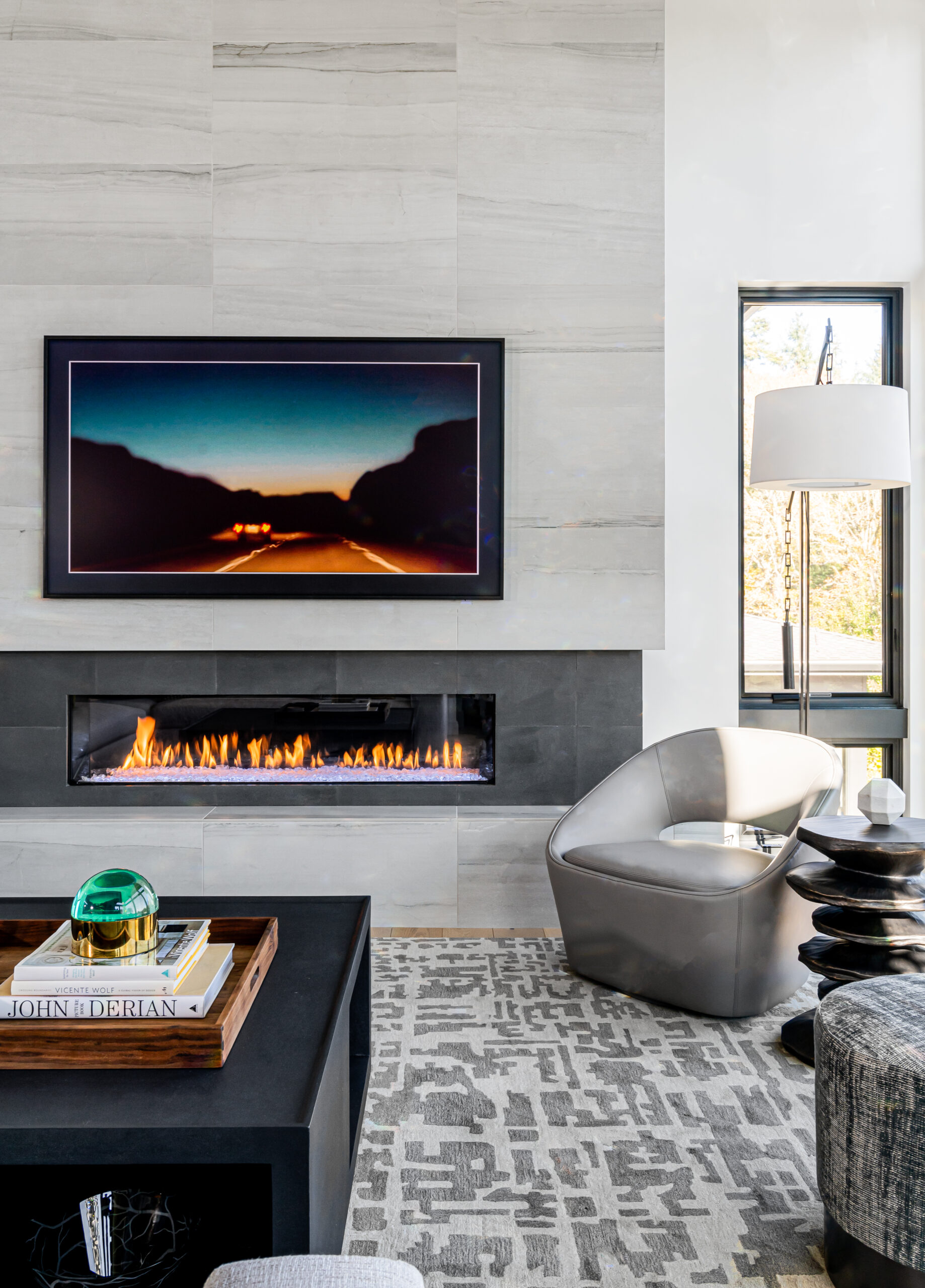
The tangible difference? Occupancy increased greatly year-over-year, but more telling were the comments. Families said they actually gathered instead of retreating to separate wings. Couples in the smaller units felt they had a private residence, not a hotel room. The owner told us the properties went from lovely but mundane to spaces where guests extended their stays.
Technology made that shift possible, but only because we treated it as infrastructure for human comfort, not as amenities to list. Every decision, from scene names to the marble’s thermal mass, was about how bodies feel at 8,000 feet after a day outside. That’s when technology actually matters.
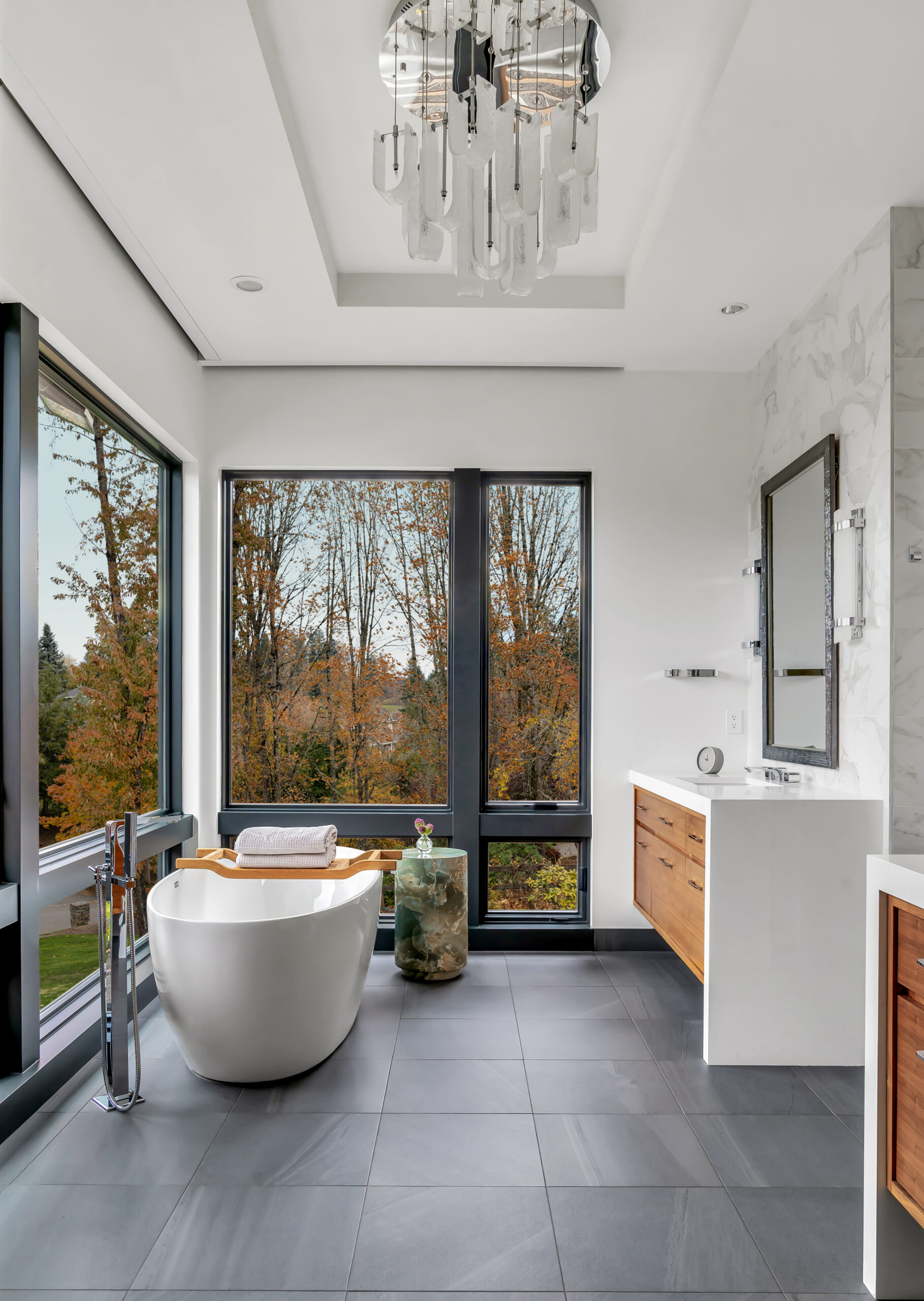
Sharon: What does a great collaboration with a technology designer or integrator look like from your side of the table.
Garrison: Great collaboration starts with a shared understanding of how the family actually lives, not just a handoff of drawings.
We bring the technology designer in during schematic design, when we’re still figuring out room relationships and before anything is locked in stone. This timing is critical because we need to solve three things together: where the control center lives, how we route the infrastructure invisibly, and what the human interface feels like.
The best collaborations happen when we sit down with the technology designer and homeowners and talk through daily routines. How does the morning unfold? Where do teenagers charge devices? How does the home shift when guests arrive? These conversations reveal needs that drawings never capture.
What doesn’t work is when the integrator is brought in just to bid on plans they’ve never discussed with anyone. They end up guessing at scope, the control room gets shoved into a hot closet as an afterthought, and nobody’s planned pathways for the miles of low-voltage wiring. Then you’re cutting into finished walls or living with exposed conduits.
Instead, we work through the infrastructure early, determining rack room size, cooling needs, and cable routes while walls are still open. We prototype scenes and test keypad placement before rough-in. We make sure every system, including those orphan floor outlets and fireplace controls, connects to the main system so there aren’t random switches and remotes scattered around.
The technology designer owns system performance; we own placement and visual integration; the contractor owns sequencing. When everyone knows their lane and enters the process early, technology becomes invisible infrastructure that just works, which is exactly how it should feel to the family living there.
Additionally, we’re moving beyond environmental sensors to something more profound. Homes that understand your personal rhythms. Imagine your bedroom knowing, through gentle integration with your wearable, that tonight it needs to be two degrees cooler with softer humidity because your body is asking for deeper recovery. The lighting shifts to support your nervous system without you lifting a finger. This isn’t surveillance; it’s partnership. Your home becomes an active participant in your wellbeing, tuned to your unique physiology rather than some generic “comfort” setting.
And let me add that the most elegant design anticipates not just who you are today, but who you’ll be in twenty years. We’re embedding what I call “invisible grace” pathways that gently illuminate at floor level when you rise at night, preventing falls without harsh overhead lights disturbing your partner. Acoustic systems that naturally enhance speech clarity during dinner parties, compensating for the hearing changes we all experience. These aren’t medical accommodations; they’re thoughtful layers of support that appear precisely when needed, then disappear. True luxury means your home grows more helpful as you age, without ever feeling clinical.
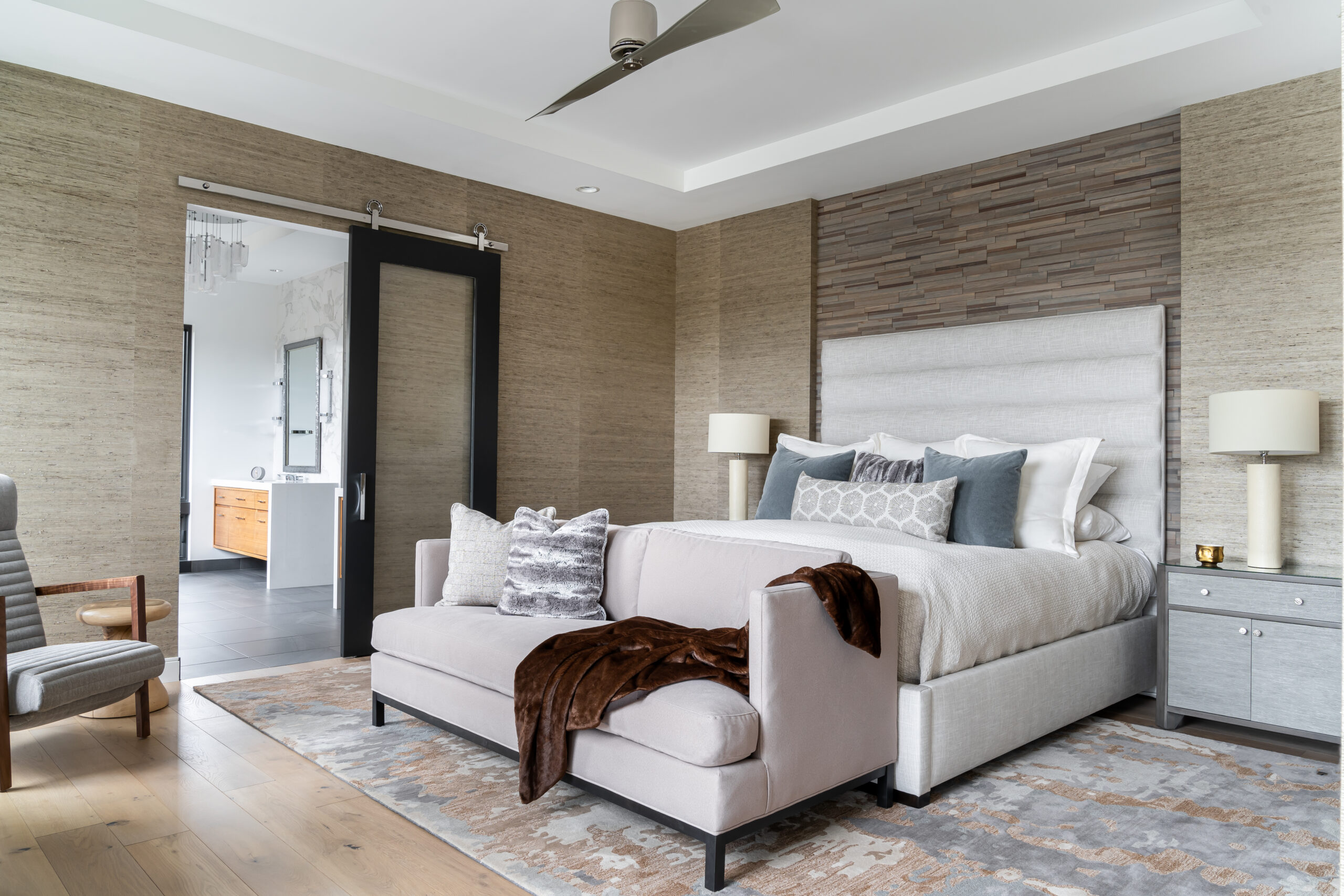
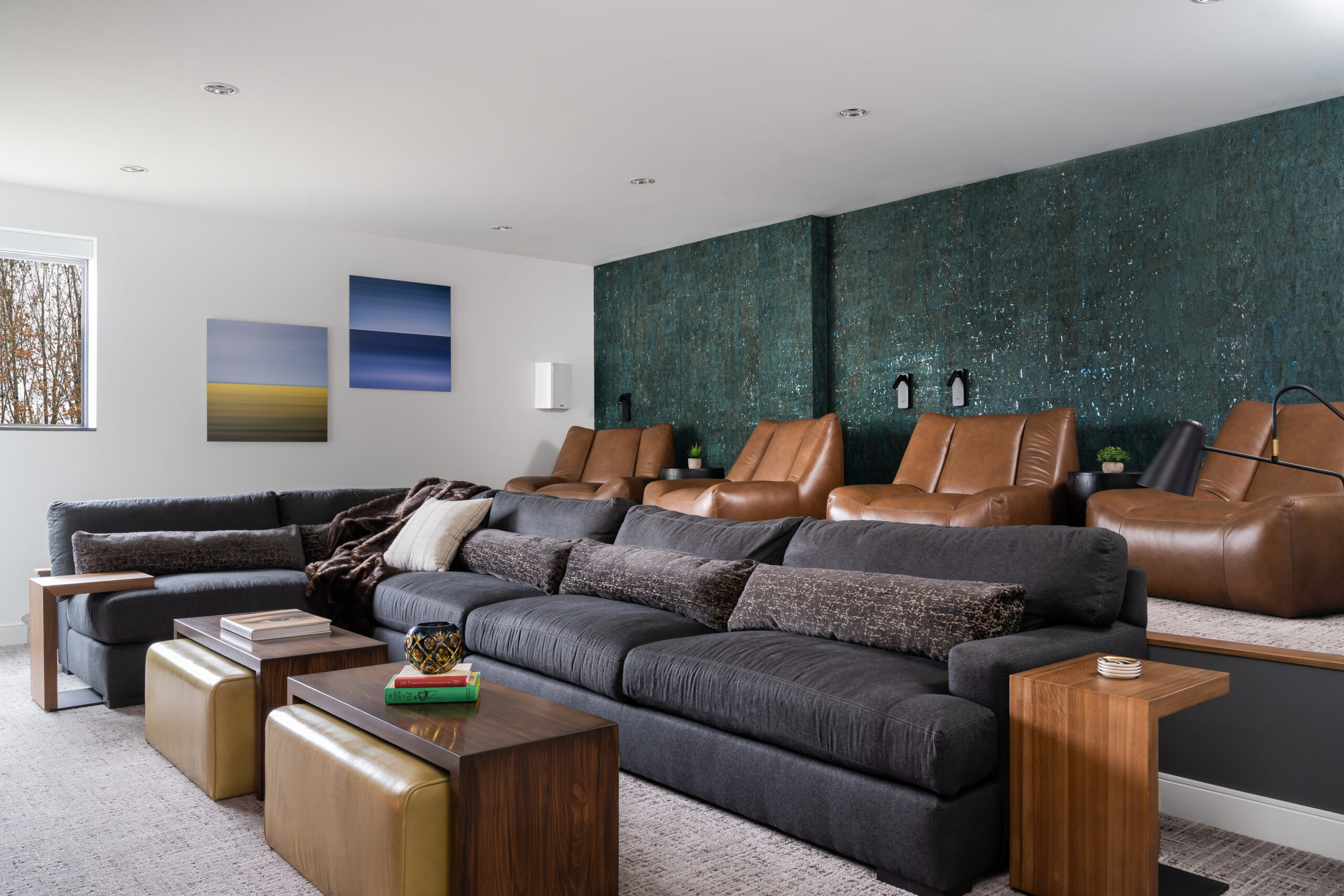
Finally, here’s the radical shift: what if you never had to operate your home at all? We’re designing spaces that read intention through presence and pattern. The kitchen knows you’re cooking because you’re there, and the range is active, ventilation and task lighting respond instantly. No buttons, no commands, no cognitive load. Just living. The house learns your rituals; morning coffee, evening wind-down, weekend entertaining, and creates the perfect conditions without asking. This isn’t about adding more technology; it’s about technology becoming so sophisticated that it vanishes entirely. The ultimate wellness feature? Never thinking about your systems at all.