
Photo: Adobe
Most A/V and technology integrators are great at their work. That is rarely the problem. The problem is that potential clients do not know you exist, do not grasp what you bring to a project, and have no way to connect with you before they are already deep into a build with a designer or builder who never thought to call you.
Three marketing strategies are being ignored by most people in this industry right now. Not because they are hard. Because they take intention. Used together, they build on each other in a way that keeps producing results long after you set them in motion.
Strategy 1: Stop Treating Video as Optional
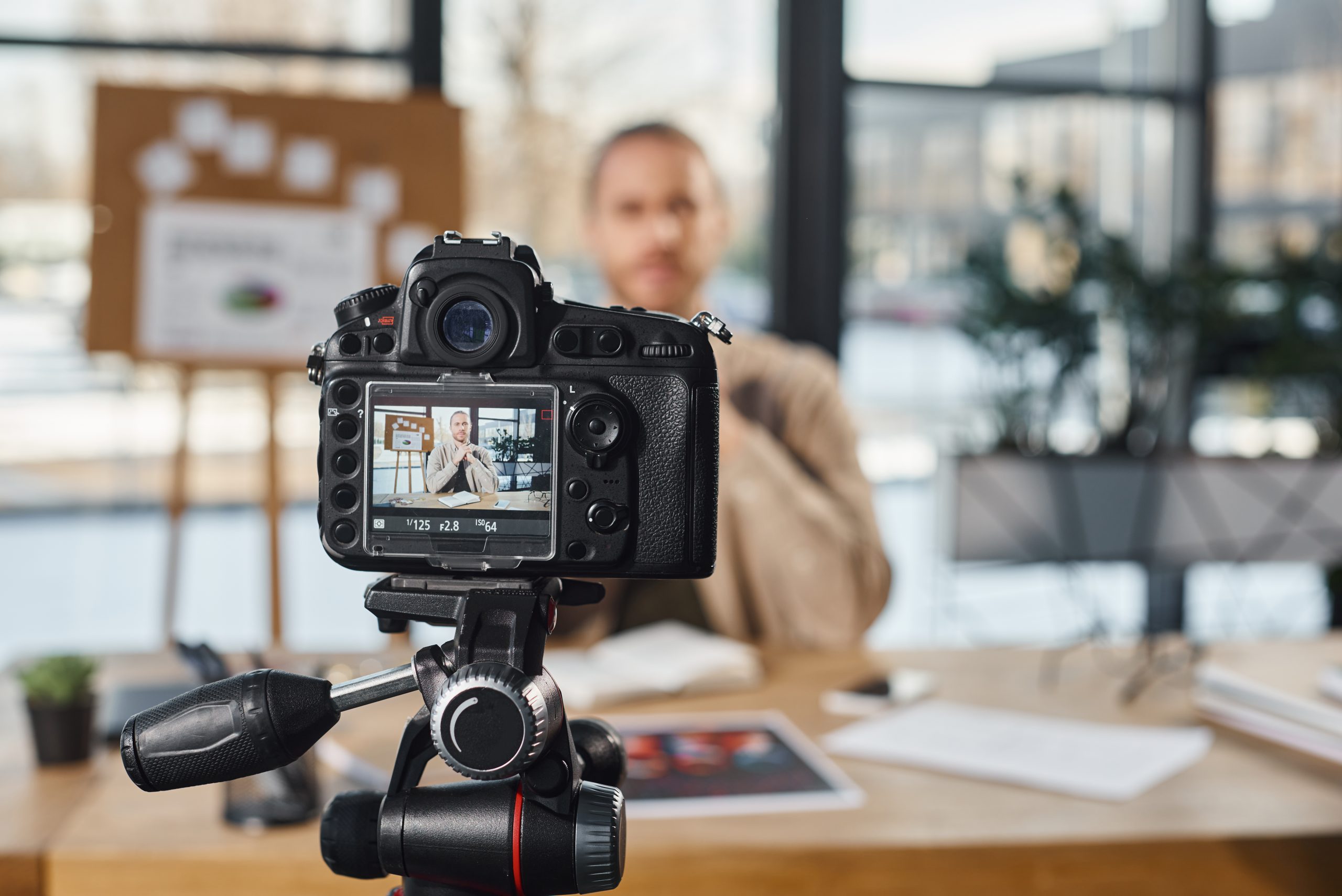
People do not hire companies. They hire people they like, know and trust. That has always been true. Video just gets you there faster than anything else.
When a potential client watches you on screen, explaining how you approach a project, what you believe, why integration matters to a finished home, they are already deciding whether they like you. Before the first phone call. Before the referral conversation. That is a significant advantage.
The data is clear. Wyzowl’s 2026 State of Video report found that 87 percent of marketers say video directly increased their sales, and 93 percent reported positive ROI. DemandSage research shows visitors spend 88 percent more time on websites that include video. And 64 percent of consumers say they are more likely to hire or buy after watching a video about a service.
Most integrators either have no video presence or treat it as a one-time project that never gets done. That gap matters.
Short-form video, somewhere in the 60 to 90 second range, is where to start. Edits, a video creation app made by Meta, makes it easy to produce clean, professional clips without a production crew or a big budget. And since Meta also owns Instagram and Facebook, content made with their own tool tends to get better reach on those platforms. That is not a guarantee, but it is a pattern worth paying attention to. The same logic applies to YouTube. Make videos there and you are working inside the platform, not fighting it.
For scripting, AI can help, but it needs a heavy edit. A good script has three things: a hook that stops someone from scrolling past, a clear and useful point in the middle, and a closing that lands, whether that is something funny, something memorable, or a question that gets people responding. That last piece matters. Comments and replies are what move content to new audiences.
Read your script out loud before recording. If you would not say it in a client meeting, cut it. AI scripts tend to sound formal in a way that people can feel but not always name. Watch for filler phrases, dramatic adjectives, and transitions that sound like a textbook. Those are the tells.
Once you have your video, do not let it sit on one platform. Repurpose.io distributes your content automatically across YouTube, LinkedIn, TikTok, Facebook and more. One video, multiple audiences, at the same time. Over 12 to 18 months, that kind of consistent output builds a reach that would take years the old way.
“Content is fire. Social media is gasoline.” — Jay Baer, marketing strategist and author of Youtility

Strategy 2: Your Videos Are Also a Search Strategy
You have probably heard of SEO. GEO is what is happening now, and it changes the game for how clients find you.
Generative Engine Optimization is about positioning your content so that AI-powered search tools, including Google’s AI Overviews, ChatGPT, Perplexity, and others, surface your name when potential clients ask questions. Not just your website. You, by name, as someone who knows this space.
AI-referred web sessions jumped 527 percent year-over-year in the first half of 2025, according to Frase.io. That number is still climbing. And AI search does not just pull from websites. It pulls from everything: forum posts, LinkedIn articles, social content, and YouTube videos.
Think about how much information is packed into a three-minute video. Script it properly and you have 400 to 500 spoken words. When that video is on YouTube with a solid title, a real description, accurate tags, and a transcript, AI engines can find it, index it, and cite it when someone asks a question you already answered. Search Engine Land’s GEO research found YouTube was one of the top sources cited by large language models in late 2025. Reddit and LinkedIn were on that list too. Your YouTube channel is not just marketing. It is a searchable asset.
Here is something that should be shaping your content planning right now. In January 2026, Apple confirmed a multi-year agreement for Google’s Gemini AI to power Apple Intelligence features, including the next version of Siri. Google is also already the default search engine on iPhones, a deal worth roughly $20 billion a year to Apple. Practically, that means the AI your clients talk to on their phones is tied directly to Google’s world. And Google’s world includes YouTube.
Smartphones drive more than 78 percent of retail website visits worldwide, per Statista 2025. Your clients search on their phones. The AI on those phones increasingly pulls from YouTube. A video called something like “Why Every Custom Home Project Needs a Tech Integrator from Day One,” properly tagged and described, keeps working for you long after you post it. When a homeowner asks their phone a question you already answered on video, you show up.
“We no longer have a choice on whether we do social media. The question is how well we do it.” — Erik Qualman, digital leadership author and researcher
Strategy 3: Geofencing Gets You in the Room Before the Meeting
The first two strategies build your visibility over time. This one is different. It puts your message in front of the right people at the exact right moment.
Geofencing sets a virtual boundary around a physical location. When someone’s smartphone enters that area, your ad can reach them. GPS, Wi-Fi, and cellular data make it precise. Geofencing campaigns average a 4.2 percent click-through rate, nearly double what standard mobile ads produce, according to WifiTalents 2026 data. Businesses using geofencing report a 25 percent average increase in local sales, and 52 percent of marketers say the ROI beats traditional digital advertising.
For integrators, the targeting logic is where this gets interesting. Think about where your ideal clients and referral sources physically spend time before they know they need you.
Architect offices are a strong place to start. Every serious residential project coming through a prominent architect’s door is a potential integration job. Anyone in that office, clients included, can see your message. Custom home builder and developer showrooms are worth targeting for similar reasons. Interior designer studios and showrooms are arguably your highest-value targets because designers often have direct influence over who gets brought onto a project team. Luxury tile, kitchen, and bath showrooms draw clients who are actively making decisions on a significant build. Regional design centers and to-the-trade showrooms round out the list.
The ad matters a lot here. A generic logo and tagline will not do much. The ads that work in service industries are specific. Tell people in 15 seconds why integration belongs in a project from day one and what working with your firm actually looks like. That outperforms brand awareness every time.
Research from TheAdSpend found that 76 percent of people who search for something on their phone visit a related business within a day, and 28 percent of those searches lead to a purchase. People are ready to act when they are in these spaces. Geofencing gets you in front of them at that moment.
The global geofencing market was valued at $3.22 billion in 2025 and is projected to reach nearly $12 billion by 2034, according to Fortune Business Insights. Early movers in service industries, where local relationships and referrals drive most business, are in a strong position.
“Marketing is no longer about the stuff that you make, but about the stories you tell.” — Seth Godin
Why All Three Together
Video builds trust. The same content feeds your GEO presence so AI search tools start associating your name with your expertise in your market. Geofencing reaches the right people at the right moment and sends them to a digital presence that already makes a case for you. Each one makes the others work harder.
None of this needs a huge budget. Two to four short videos a month, distributed through Repurpose.io, starts building GEO traction within 90 days. A geofencing campaign targeting three or four key locations can run on a few thousand dollars a month. Edits is free.
What it takes is showing up consistently. The integrators who treat marketing like a system, not a to-do list item, are the ones who stop chasing work and start getting called. Pick one of these three and start. Add the others when the first is running.
The technology you put into your clients’ homes is the same technology making these tools possible. Worth using.